
Morongo Unified School District

Strengthening Trust Across 17 Schools—One Classroom at a Time
Every morning on a local radio station, students from Morongo Unified School District call in on their way to school to answer trivia questions. During each segment, something happening in a district classroom is highlighted — a student-written novel project unfolding chapter by chapter, transitional kindergarteners celebrating the 101st day of school dressed as Dalmatians, or a creative science experiment that brought learning to life.
The segment is sponsored by Morongo Unified’s communications department, part of a deliberate effort to ensure classroom stories reach the broader community.
Just a few years ago, many of those moments would have stayed within classroom walls. District leaders often didn’t see them either.
Today, they fuel a districtwide storytelling strategy built on real-time visibility across all 17 schools.
Morongo Unified School District spans a wide geographic region in Southern California, serving 7,300 students across 17 schools. For a rural district covering such a large footprint, visibility is both essential and challenging.
For Public Information Officer Jené Estrada, the issue wasn’t simply sending more messages. It was knowing what was happening across classrooms every single day.
“One of the biggest challenges of a PIO in a school district is simply finding out what’s going on — for the fun things and the not-fun things,” Estrada says. “A huge part of this job is keeping a pulse check on the district.”
Through annual stakeholder surveys conducted as part of California’s Local Control and Accountability Plan (LCAP) process, families consistently identified one key need: more communication. As expectations around transparency and responsiveness continued to rise, district leaders realized they needed a strategy that didn’t just increase volume — but delivered communication where families were already engaged.
Many Morongo families were already engaging daily with their child’s classroom through ClassDojo, but district communication lived elsewhere.
"A parent’s perception of the district often starts and stops with their communication with their child’s teacher"
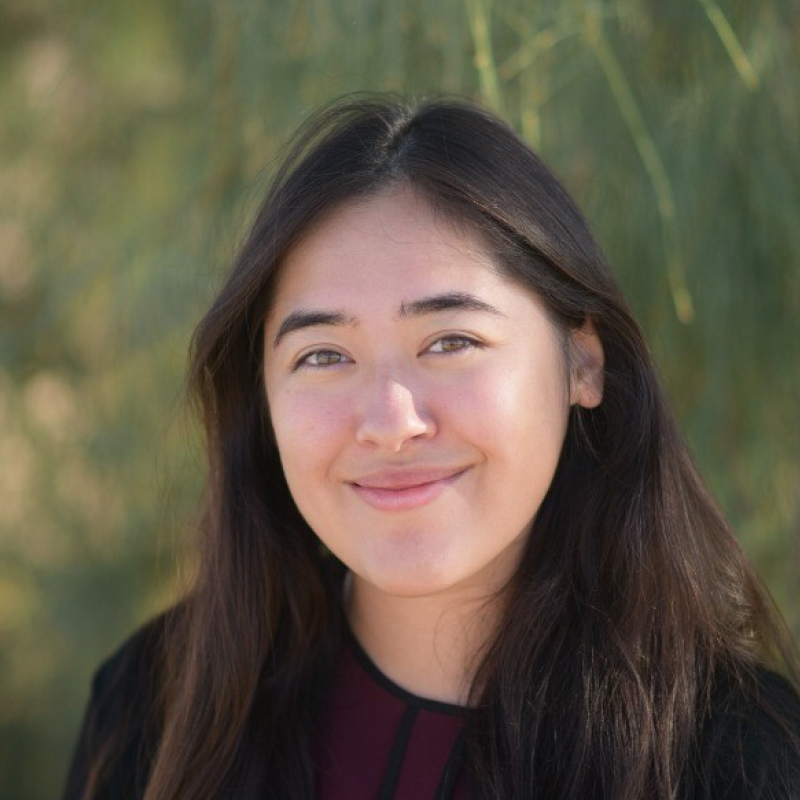
Jené Estrada
Public Information Officer
Walk the Halls: A Game-Changer for Visibility
That visibility expanded significantly with Walk the Halls — a district feed that gives leaders a window into classroom activity across schools.
“We hear about the big things going on at campuses,” Estrada says. “We don’t always hear about the little things. And those little things matter.”
Through Walk the Halls, Estrada can identify classroom stories in real time — a student-written novel project unfolding chapter by chapter, transitional kindergarteners celebrating the 101st day of school dressed as Dalmatians, creative science experiments, and the everyday interactions that define school culture.
Previously, those stories often stayed within classroom walls. Now, they fuel district storytelling, social media coverage, community outreach, and the district-sponsored “Kids Quiz” radio segment, where classroom highlights are shared with listeners across the region.
From Fragmented Communication to Districtwide Alignment
Before adopting ClassDojo for Districts, many Morongo campuses were already using ClassDojo independently. Estrada explains, “Parents were using ClassDojo every single day to track their students’ progress, and teachers had it on their phones for regular classroom communication. But district messaging happened elsewhere, creating duplication and communication fatigue.”
“Why duplicate your work by asking families to download another app when they’re already using this one every single day?” Estrada explains. “Let’s meet them where they are.”
Two years ago, the district moved to a centralized approach, bringing communication under a district umbrella. This year marked their first fully rostered implementation with ClassDojo for Districts, ensuring every school participates.
Higher Engagement, Less Friction
Since shifting district announcements into ClassDojo, Morongo has seen stronger engagement compared to traditional mass communication systems. Because families and teachers were already using ClassDojo daily, district announcements no longer compete for attention across unfamiliar platforms. Messages now appear within an app families check every day.
“On the district announcements side, our read-through and click-through rates have been much higher than what we see in our emergency alert systems,” Estrada notes.
Instead of competing for attention across multiple tools, the district now builds on an existing daily habit, reducing friction and improving responsiveness.
Balancing Representation Across Schools
High schools naturally generate visibility through athletics and large-scale events. Elementary classrooms often have fewer headline moments, even though extraordinary learning happens daily.
Walk the Halls allows Morongo to intentionally balance representation—ensuring every grade level and campus has a voice in district storytelling.
“High schools get promoted a lot because they have sports and competitions,” Estrada explains. “Walk the Halls has helped us elevate elementary schools more consistently.”
Supporting Teachers and Strengthening Trust
The impact extends beyond communications metrics. Teachers benefit from increased recognition and visibility. When district leaders spotlight classroom moments, educators feel seen and valued.
The visibility extends beyond district leaders. Teachers can now see what peers across grade levels are sharing, sparking collaboration and reducing redundant communication. Instead of each classroom sending separate updates, schools can align messaging and streamline outreach.
It also strengthens parent trust. When teachers regularly share small wins, families are more receptive during sensitive conversations. Trust is built before it’s needed.
“A parent’s perception of the district often starts and stops with their communication with their child’s teacher,” Estrada says. “If we support that base-level communication, everything else builds from there.”
That reality shifted Morongo’s communications strategy from top-down messaging to a bottom-up visibility model.
Oversight, Safety, and Compliance
For district leaders, visibility isn’t just about storytelling — it’s also about safety and accountability. District-level oversight allows communication threads to be reviewed and exported when necessary, ensuring appropriate documentation and transparency.
That visibility also protects teachers. In situations where difficult parent conversations arise, communication history can be accessed to provide context and support safety or investigatory processes.
“Being able to see that on the district level and add that to whatever investigatory process our safety team is doing is really helpful in protecting that teacher,” Estrada explains.
Encouraging staff to use official platforms ensures communication remains documented, accessible, and aligned with district expectations. In today’s complex communications landscape, that level of visibility provides reassurance for administrators and educators alike.
A Bottom-Up Strategy That Scales
Estrada advises fellow communications leaders to rethink where strategy begins.
“Start from the bottom up,” she says. “How are parents receiving communication every single day? Support that—and build off of it.”
For Morongo Unified, the shift wasn’t just about adopting a platform. It was about strengthening everyday relationships, improving visibility, and ensuring that district storytelling reflects what families actually experience.
When leaders can truly walk the halls—virtually and consistently—communication becomes more responsive, more balanced, and more trusted.
In practice, that bottom-up approach has translated into measurable improvements across engagement, representation, and community visibility.
Results at a Glance
- Higher read and click-through rates vs. emergency alert system
- Stronger visibility across 17 schools
- Increased elementary representation
- Teacher recognition and morale boost
- Daily community amplification via local radio
For Morongo Unified, strengthening classroom visibility didn’t just improve communication metrics — it strengthened trust across the district.